Most people dream of celebrating their 100th birthday. Few stop to consider what it actually means to grow old.
We spend decades learning how to build careers, raise families, and prepare financially for retirement. Yet almost no one prepares for the emotional realities of living into their nineties or beyond.
A Voice Worth Hearing
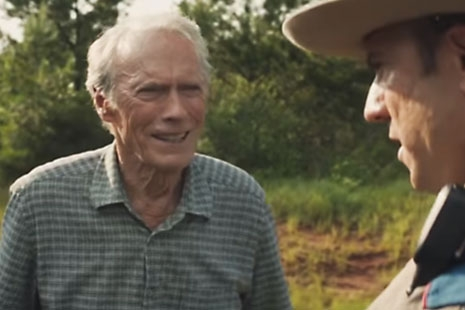
Actor and director Clint Eastwood offered a refreshingly honest perspective when he spoke about growing older. He didn't pretend aging is easy.
He described a body that no longer responds the way it once did. Joints become stiff. Bright light bothers the eyes. Simple movements require more thought. Even breathing can take more effort than it once did.
These are realities that eventually touch everyone fortunate enough to live a long life.
But physical aging is only part of the story.
The Greater Challenge Is Often Loneliness
By your nineties, many lifelong friends are gone. Brothers and sisters may have passed away. Neighbors move. Children become busy with their own families. Phone calls become less frequent. Visits become less common.
The world becomes quieter.
For many older adults, loneliness becomes a greater threat than many diseases. Researchers now recognize that social isolation is associated with poorer physical and mental health, making meaningful relationships one of the most important ingredients of healthy aging.
Why Older People Tell the Same Stories
Have you ever noticed an older parent or grandparent telling the same story again? It is easy to become impatient. But those stories serve a purpose.
They connect people to the moments that shaped their identity. They help preserve memories that might otherwise fade. They allow wisdom, values, and family history to be passed to another generation.
Repeating an old story is often less about remembering the past than it is about remaining connected to the present. When we listen, we give those memories a place to live.
Preparing for a Long Life Means More Than Protecting Your Health
Living to one hundred should never be measured only by the number of birthdays we celebrate. The quality of those years matters just as much.
That means investing in friendships that last decades. Maintaining close family relationships. Serving others. Remaining curious. Finding purpose after retirement. Building a community that will still be there when we need it most.
The healthiest people are often those who remain connected to something larger than themselves.
The Gift We Can Give Each Other
If you have an older parent, grandparent, neighbor, or friend — spend time with them. Ask questions. Invite them to tell their stories. Listen without looking at your phone.
Those conversations may become some of the most valuable memories you ever collect.
And one day, if you are fortunate enough to celebrate your own 100th birthday, you may hope that someone will do the same for you.
Growing old is a privilege that many never receive. Helping someone grow old with dignity, companionship, and purpose is one of the greatest gifts we can give.